


How to Choose Cabinets for Rental Kitchens

Last Updated: November 22, 2026
Quick Summary
Start by mapping how heavily the kitchen will be used, since that sets how tough the cabinets need to be. Then choose plywood boxes, a simple Shaker door in a durable neutral finish, and soft-close hardware, judged by total cost over the hold period. This is how to choose cabinets for rental kitchens that survive repeated tenant turnover.
- Rate the unit as high, moderate, or low wear before comparing any materials or colors.
- Plywood boxes hold screws and resist moisture better than particleboard or MDF.
- Use catalyzed or durable finishes and satin sheen to hide scuffs and fingerprints.
- Choose standard, currently available door and hardware lines so single parts can be replaced later.
- Compare quotes by total cost of ownership over your expected hold period, not sticker price.
Table of Contents
- Start With Your Rental's Wear-and-Tear Profile
- Compare Cabinet Box Materials: Plywood, Particleboard and MDF
- Pick Door Styles and Finishes That Hold Up to Tenants
- Evaluate Hardware: Soft-Close Hinges and Drawer Slides
- Set a Budget and Compare Cabinet Price Tiers
- Use a Step-by-Step Decision Framework for Rental Kitchen Cabinets
- Book Your Rental Kitchen Cabinet Order and Plan Installation
- Frequently Asked Questions
Start With Your Rental's Wear-and-Tear Profile
Learning how to choose cabinets for rental kitchens is different from choosing them for your own home.
Before you compare materials or colors, learn how to choose cabinets for rental kitchens by mapping out the wear first.
A simple way to frame it:
- High wear: Shared households, families with young children, pets, or short-term turnover
- Moderate wear: Single professionals or couples on longer leases
- Low wear: Older tenants or occasional-use units such as an ADU kitchen
Once you know the profile, your cabinet decisions become easier. High-wear kitchens justify tougher construction and finishes. Lower-wear units can often accept a mid-range build.
Compare Cabinet Box Materials: Plywood, Particleboard and MDF
The cabinet box, the structural shell behind the doors, does most of the work.

Plywood is layered wood veneer glued in alternating grain directions. For rental kitchens with heavy daily use, plywood boxes are generally considered a durable option.
Particleboard is made from wood chips and resin.
Here is a practical comparison:
| Material | Durability | Moisture Resistance | Relative Cost | Best Fit |
|---|---|---|---|---|
| Plywood | High | Good | Higher | High-wear rentals |
| Particleboard | Low to moderate | Poor | Lowest | Light-use units |
| MDF | Moderate | Poor to fair | Mid-range | Painted doors, dry areas |
Our advice: spend the extra money on plywood boxes wherever you can. The sink area and any lower cabinets exposed to dishwasher steam matter most.
Pick Door Styles and Finishes That Hold Up to Tenants
Doors and finishes take the daily abuse. Fingerprints, knocks, cleaning chemicals, and steam all show up here first. The goal is not the most stylish door, it is the door and finish that look acceptable after several tenant cycles and can be repaired or replaced one piece at a time.
Door Profiles: What Survives Turnover
Shaker doors have a simple recessed center panel and a flat frame. They read as timeless and are generally a practical choice for rental kitchens.
Other profiles trade durability for looks:
- Slab (flat) doors are the easiest to clean and the cheapest to replace, but they show every dent and have no frame to hide a slightly out-of-square opening.
- Raised-panel and applied-molding doors collect dust and grease in the grooves and are more likely to catch on cleaning cloths and chip at the high points.
- Thermofoil and vinyl-wrapped doors are common at lower price points, but the wrap can peel or delaminate near heat sources such as the dishwasher and range.
For a rental, favor a door with a simple profile, a fully sealed edge, and a finish that can be touched up. Avoid deep grooves, open grain that traps grease, and high-gloss surfaces that show every fingerprint.
Finish Chemistry: Why the Coating Matters More Than the Color
Two cabinets can look identical on day one and age very differently because of the finish. The main options you will see in quotes:
- Catalyzed (conversion) varnish and pre-catalyzed lacquer cure hard and resist scratches, moisture, and common household cleaners. This is the finish to specify for high-wear rentals.
- Standard paint or basic lacquer looks fine initially but softens under heat and cleaning products and is more prone to chipping at edges.
- Thermofoil and melamine are factory-applied and clean easily, but they cannot be touched up, a chip means replacing the door or front.
Ask the supplier what the finish is and whether it is catalyzed. If the answer is vague, assume it is a basic finish and price accordingly.
Neutral Colors and Sheen
Neutral colors such as white, soft gray, and warm beige hide minor scuffs better than dark, high-gloss finishes. Sheen matters as much as color: a matte or satin finish hides fingerprints and small scratches, while high gloss amplifies them. For rentals, satin is usually the best compromise between cleanability and wear-hiding.
Moisture Protection Around the Sink and Dishwasher
The sink base sees the most water. Standard particleboard bases swell and delaminate over time. Choose sink bases built from plywood, and confirm the finish seals the edges and back panel. Water-resistant finishes around the sink and dishwasher zone reduce the chance of costly repairs between tenants. Also confirm that any cut edges, around the sink opening and dishwasher bay, are sealed, because an unsealed edge is where swelling starts.
Design for Repairability, Not Just Durability
The most overlooked rental decision is whether a damaged door or drawer front can be replaced without replacing the whole kitchen. Before you order, confirm:
- The door style and finish are current catalog items, not discontinued or closeout lines.
- Replacement doors and drawer fronts can be ordered individually and will match the original dye lot or finish batch.
- Hinges and drawer slides are standard, widely available patterns rather than proprietary hardware.
- The supplier will sell single replacement pieces, not only full cabinet boxes.
A cabinet line that is durable but discontinued is a liability: one chipped door can force a partial remodel. A slightly less expensive line with readily available replacement parts is often the better rental investment. Keep one spare door and a set of hinges on hand for each rental so a small repair does not become a tenant complaint that escalates.
Evaluate Hardware: Soft-Close Hinges and Drawer Slides
Hardware is often the first thing to fail in a rental. A door that slams or a drawer that sags creates repair calls and tenant complaints.
Look for:
- Soft-close hinges: They prevent slamming and reduce stress on door frames
- Full-extension drawer slides: These carry heavier loads and stay aligned longer
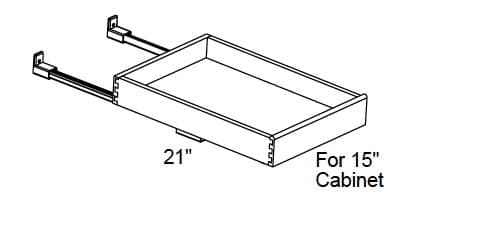
- Dovetail drawer boxes: Joined corners resist loosening better than stapled or glued-only joints
Prioritize hardware in high-traffic spots like the lower drawers and sink base. Replacing hinges is a minor job, but it is easier to specify quality from the start than to fix problems later.
Set a Budget and Compare Cabinet Price Tiers
Rental budgets are tight, so think in total cost rather than sticker price. A cheap cabinet that fails within two tenant cycles costs more than a sturdier one bought once. The useful question is not "which cabinet is cheapest?" but "which cabinet has the lowest cost per year of service?" Our five ways to choose durable kitchen cabinets offer more methods for judging value within your price range.
The Three Tiers, and What Each Actually Buys
- Budget tier: Lower-cost boxes, basic finishes, and standard hardware. Suitable only for light-use units or short-hold properties where you plan to sell before the first failure cycle.
- Mid-range tier: Plywood boxes, catalyzed or durable factory finishes, and reliable soft-close hardware. This suits most rentals and is the tier most landlords should start from.
- Premium tier: Upgraded finishes, premium hardware, and custom sizing for high-end units where appearance drives rent and the tenant profile is low-wear.
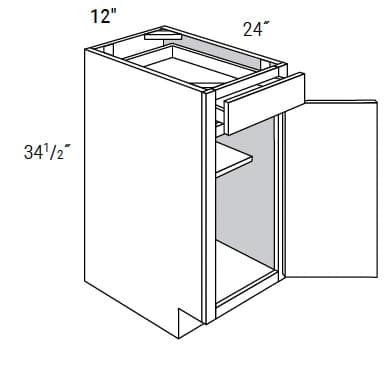
Our current pricing lists the US Shaker Base 1 Door with 1 Drawer & Trash Pullout at $793.00, the US Shaker Base Full Height Door with Organizer Pullout at $643.50, the US Shaker 3-Drawer Base Cabinet at $423.00, and the US Shaker Wall Cabinet 2 Doors 24" Deep & Butt Doors at $268.50. Orders over $2,500 qualify for free shipping, and sample doors are fully refundable with a full kitchen purchase.
Total Cost of Ownership: The Number Most Landlords Skip
Sticker price is only the first line. Build a simple lifecycle budget that adds up:
- Purchase price of cabinets, fillers, panels, and trim.
- Installation labor, including removal and disposal of the old cabinets.
- Routine maintenance, tightening hardware, touching up edges, replacing bumpers and shelf pins.
- Repair costs, replacement doors, drawer fronts, hinges, and slides over the hold period.
- Replacement cost and the rent lost during any vacancy caused by a failed cabinet.
A common pattern is that a budget-tier kitchen costs less up front but generates more repair calls and a shorter replacement cycle, while a mid-range kitchen with plywood boxes and replaceable fronts costs more initially and less per year. Run the math over your expected hold period rather than the first year. If you plan to hold the property for a decade, the mid-range tier usually wins; if you plan to sell in two years, the budget tier can be rational.
A Quote-Inspection Checklist
Quotes are rarely apples to apples. Before you compare totals, verify each line:
- Box material: Is it plywood, particleboard, or MDF, and what is the thickness? Get it in writing.
- Edge banding: Are exposed edges sealed, and with what material? Unsealed edges are where moisture damage starts.
- Hardware ratings: Ask for the hinge and slide brand and cycle rating. Soft-close and full-extension should be specified, not assumed.
- Drawer box construction: Dovetail, doweled, or stapled? Confirm the joint, not just the material.
- Finish type: Catalyzed, lacquer, paint, or thermofoil? Ask whether it can be touched up.
- Warranty: What is covered, for how long, and does it transfer to a rental property? Confirm whether the warranty is voided by tenant use.
- Installation: Is installation included, and who handles removal and disposal of the old cabinets?
Where to Spend and Where to Save
Put the money where wear is highest: the sink base, the dishwasher bay, and the lower drawers. Save on upper cabinets and low-traffic wall runs, where a mid-grade box and standard hinge will outlast the tenant. That split lets you stay near a mid-range budget while protecting the parts most likely to fail.
Cabinet price tiers: sample US Shaker base and wall cabinets
Use a Step-by-Step Decision Framework for Rental Kitchen Cabinets
Use this sequence to narrow your choices quickly:
- Define the wear profile. Rate the unit as high, moderate, or low wear.
- Choose the box material. Plywood for high wear, and for any sink or dishwasher run.
- Select door style and finish. Shaker profile in a neutral, durable finish.
- Specify hardware. Soft-close hinges and full-extension slides at minimum.
- Set the budget tier. Match the tier to the rent you can charge and the expected tenant turnover.
- Order samples. Test the finish against your kitchen's lighting before the full order.
- Plan measurements. Measure walls, appliance openings, and clearances twice.
Watch out: measuring errors cause more delays than product defects. Double-check every dimension before ordering.
Book Your Rental Kitchen Cabinet Order and Plan Installation
A rental kitchen cabinet project works best when the materials, budget, and timeline are settled before installation starts. Review the US Shaker Base 1 Door with 1 Drawer & Trash Pullout and the other base and wall options in our catalog to match your layout.
Plan Your Project
Frequently Asked Questions
What are the best kitchen cabinets for a rental property?
For most rentals, cabinets with plywood boxes, Shaker-style doors and a durable factory finish give the best balance of strength and appearance. Frugal Cabinets Online's US Shaker collection, including the US Shaker 3-Drawer Base Cabinet at $423.00, is one option to consider for rental kitchens.
What is the best color for kitchen cabinets in a rental property?
Neutral, timeless colors such as white, soft gray and warm off-white are the safest choice for rental kitchens. They appeal to a wide range of tenants, make small kitchens feel brighter and hide minor scuffs better than very dark or very bold finishes. Because neutral colors are easy to match for touch-ups, they also simplify future repairs between tenants and keep the kitchen looking current without costly redesigns.
Are ready-to-assemble cabinets a good choice for rental properties?
Ready-to-assemble (RTA) cabinets can work well for rentals because they lower upfront cost and can be installed quickly, which reduces vacancy time during renovation. Compare cabinet quotes using a checklist that covers box material, hinge quality, drawer construction and warranty terms before ordering.
Should rental kitchen cabinets be painted or replaced?
Painting makes sense when cabinet boxes are structurally sound and only the doors or finish look worn. Replacement is the better choice when boxes are sagging, water-damaged or built from low-grade particleboard that won't hold screws. Estimate lifecycle cost by comparing the price of a repaint against the expected years of service from new cabinets, and factor in how often tenants turn over the unit.


